


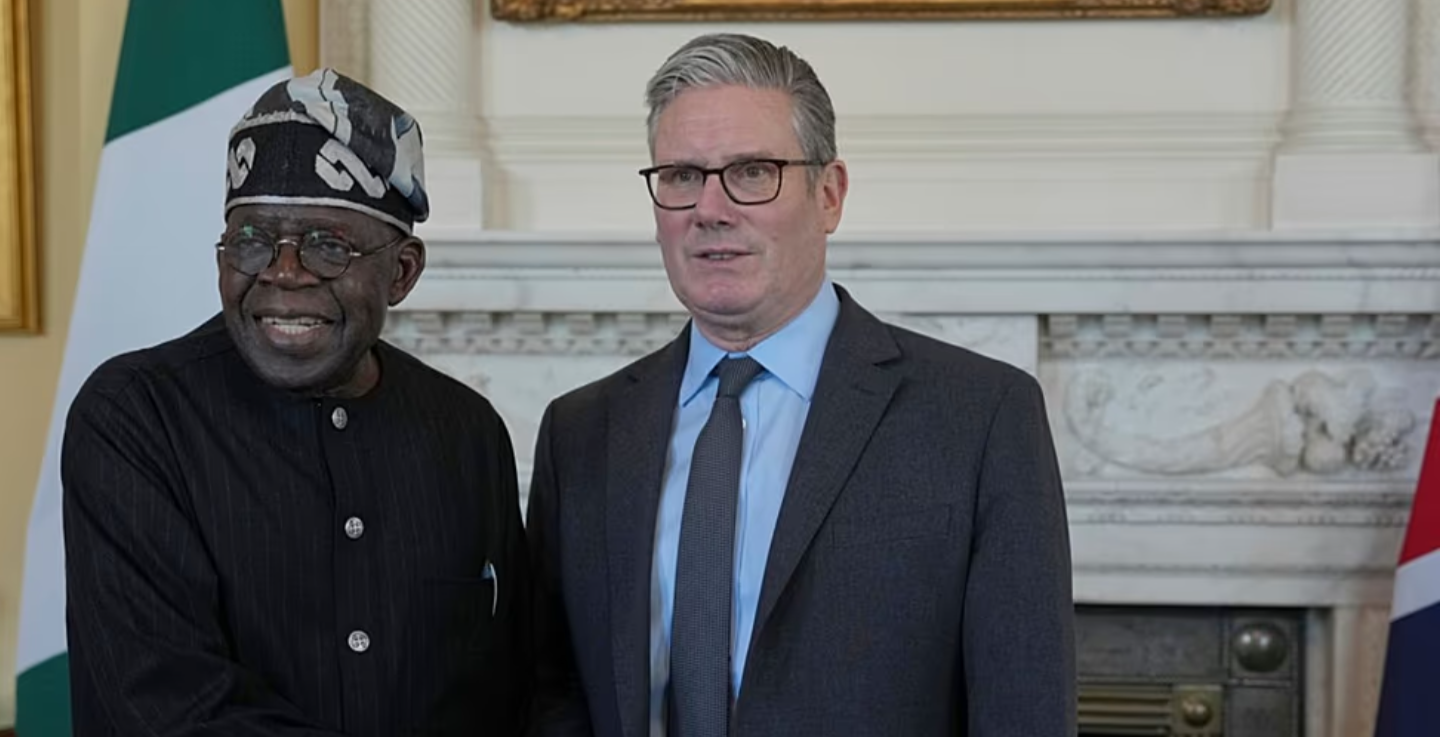
Nigeria and the United Kingdom have signed a migration agreement to speed up the return of Nigerians without legal residency in Britain, signaling a tougher stance on immigration enforcement.
The agreement, inked during the state visit of Bola Ahmed Tinubu to the United Kingdom, brings together top officials including Olubunmi Tunji-Ojo and Shabana Mahmood under the auspices of the UK Home Office.
At the heart of the deal is a policy shift: Nigeria will now recognise alternative identification papers, commonly dubbed “UK letters,” for undocumented individuals. This move is expected to cut through red tape and remove long-standing bottlenecks that have slowed deportation processes. Authorities in the UK indicate that the ripple effects could be immediate.
Official figures reveal hundreds of Nigerians have already reached the end of their asylum appeals, while over a thousand convicted offenders remain in limbo awaiting removal.
Beyond the deportation drive, both nations are tightening the net on transnational crime. The partnership will see enhanced intelligence-sharing and coordinated crackdowns on immigration rackets—ranging from visa fraud and fake employment schemes to sham marriages and forged documents.
In a bid to stay ahead of evolving threats, the collaboration also casts a wider net over cyber-enabled crimes such as romance scams, investment fraud and cryptocurrency-related schemes. A proposed “fusion cell” is expected to bring key players—government bodies, financial institutions, telecom firms and tech companies—under one roof to fast-track enforcement.
Speaking on the development, Tunji-Ojo underscored Nigeria’s resolve to uphold global migration standards, stressing the importance of transparency and fairness. On the UK side, Border Security Minister Alex Norris described Nigeria as a strategic ally, warning that abuse of immigration systems will not go unchecked.
However, the fine print remains under wraps. Critical details such as the timeline, scope and financial framework of the deal have yet to be disclosed, leaving observers with more questions than answers.


