


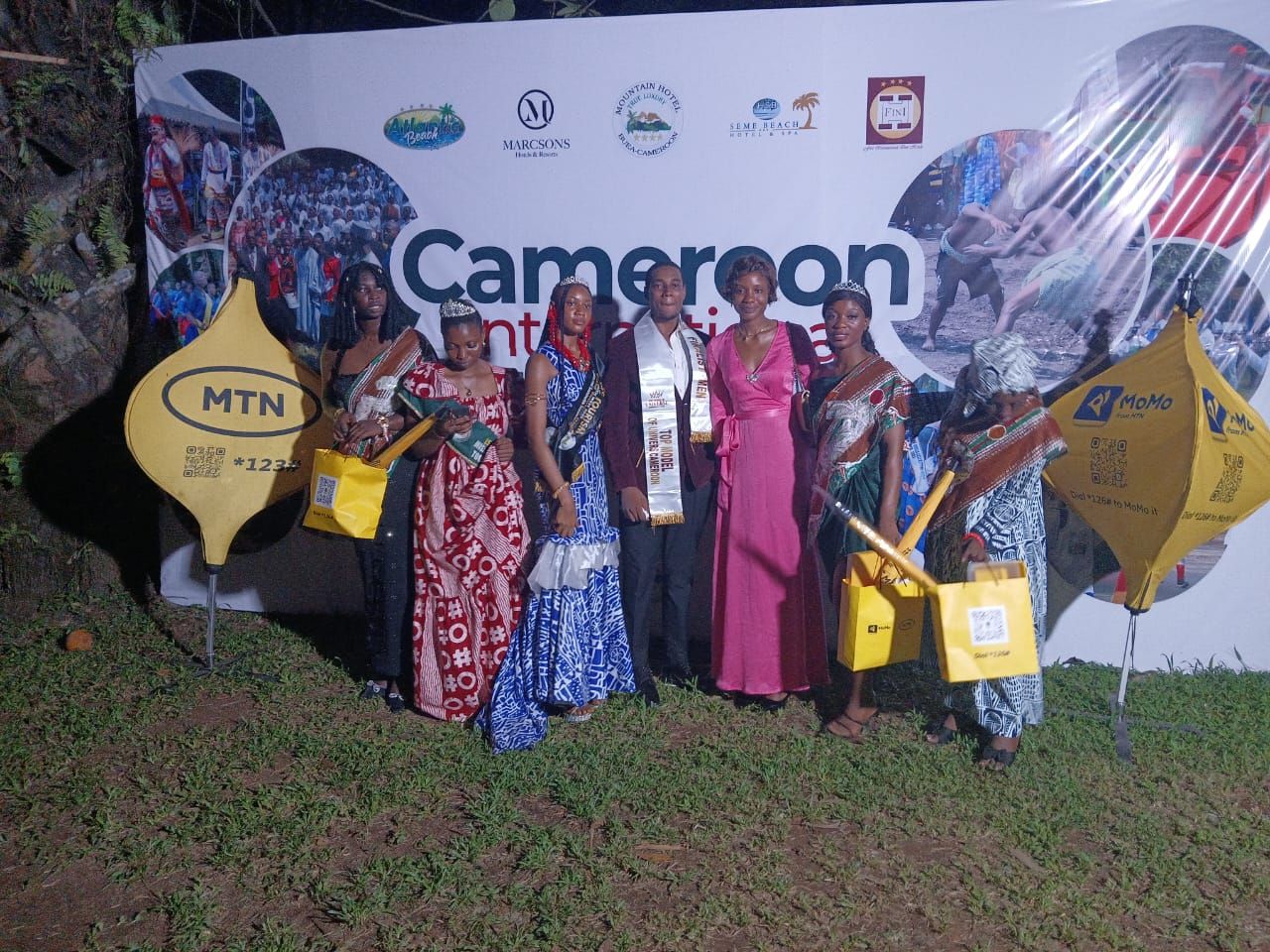
The fifth edition of the Cameroon International Tourism Fair (CITF) has drawn to a close in the seaside town of Limbe, leaving in its wake, a call for sustainable tourism development and a renewed push to put Cameroon firmly on the map as a premier African destination.
Once again, this coastal gem took center stage in the nation’s tourism narrative, hosting the gathering that continues to burnish Cameroon’s credentials as a competitive player on the global travel scene.
The three-day extravaganza, which unfolded from March 19 to 21 at the Limbe Botanic Garden, was masterminded by Agatha Iyok, the Chief Executive Officer of Floral Travels and Tours, in lockstep with the Limbe City Council. The event drew a diverse cross-section of attendees, including government officials, traditional rulers, tourism industry players, cultural troupes, students, and no fewer than 40 international delegates hailing from 14 different nations.
With “Tourism, Culture and Trade Synergy” as its rallying cry, the fair served as a dynamic forum for dialogue, exhibitions, and cultural interchange, all with a sharp focus on sustainability and economic transformation.
A Sector Poised for Takeoff
Officially declaring the event open, Minister of Tourism and Leisure Gabriel Mbairobe laid out the government’s vision to catapult the sector into a key economic engine. He made it clear that the ambition is nothing short of transforming Cameroon into a top-tier global destination, with a target of welcoming 3.5 million international tourists annually. The fair, he underscored, serves as a vital cog in driving that growth.
The minister also took time to spotlight the untapped power of gastronomy and the blue economy, noting that the nation’s rich cultural tapestry and world-class culinary offerings are far more than mere identity badges—they represent powerful catalysts for economic expansion and trade.
Beyond the formal proceedings, the fair proved to be a strategic networking goldmine, forging connections between local producers, homegrown stakeholders, and international operators from countries such as Nigeria, Ghana, South Africa, Ethiopia, Brazil, Poland, Zambia, and Libreville.
‘Sleeping Giant’ Needs Awakening
Delivering a keynote address that resonated throughout the venue, Ghanaian tourism expert Dr. Ndonko Kauke painted a vivid picture of Cameroon as a “sleeping giant” in Central Africa. He pointed to the country’s immense but largely untapped tourism wealth, issuing an urgent plea for the sector to be given priority status and for infrastructure improvements to be fast-tracked to unlock its true potential.
Having observed lush green landscapes, sprawling water bodies, imposing mountains, and vast plantations from the air, he remarked that the potential is staggering. However, he stressed that tourism must be treated as a priority economic sector if that potential is to be realized. When properly harnessed, he added, tourism possesses the unique ability to drive economic inclusion for local communities, particularly women and young people.
He did not mince words when addressing infrastructure deficits, emphasizing that air connectivity and road development are absolutely critical. The bottom line, he noted, is that tourists must be able to move seamlessly to their destinations upon arrival.
A Spotlight on Youth Innovation
In a move designed to galvanize youth participation in the industry, Dr. Kauke challenged the event’s organizers to introduce a Cameroon Youth Tourism Innovation Award in future editions. The initiative, which is expected to spark innovation and entrepreneurial spirit among the nation’s young people, was hailed as a forward-thinking step toward securing the sector’s future.
Throughout the three-day spectacle, Cameroon’s well-earned reputation as “Africa in miniature” was on full display, with vibrant exhibitions of artifacts, mesmerizing traditional dances, and mouthwatering culinary offerings representing the country’s four major cultural zones.
Attendees also had the opportunity to venture out and experience some of the region’s crown jewels, including the striking black sand beaches, the awe-inspiring Mount Cameroon, and the historically significant Bimbia Slave Route.
A ‘Touristic Jewel’ Shines Bright
The Lord Mayor of Limbe took the opportunity to underscore the fair’s significant economic impact, urging stakeholders to fully leverage the platform. He described the city as a “touristic jewel” and reaffirmed the council’s unwavering commitment to the initiative. The fair, he declared, presents a golden opportunity for tourism sector players to showcase and market Cameroon’s immense potential to a global audience.
Agatha Iyok, the visionary behind the event, shed light on the thinking behind this year’s theme. She explained that the focus was squarely on demonstrating how the powerful trifecta of tourism, culture, and gastronomy can serve as a springboard for trade, investment, and overall economic development. What was being showcased, she asserted, was reality in action—not mere theory—pointing to Cameroon’s extraordinary culinary diversity, boasting over 250 traditional dishes, as a major tourism asset.
Beyond the Boardroom
The event was not confined to formal sessions alone. Community engagement took center stage with activities such as a clean-up campaign at Down Beach, where popular Cameroonian actress Syndy Emade lent her star power to promote environmental sustainability.
With international participation on the rise and exciting new initiatives like the proposed Youth Tourism Innovation Award on the horizon, the Cameroon International Tourism Fair is clearly evolving into far more than just a showcase—it is fast becoming a catalyst for the industry’s future.

