


African nations demand justice as landmark vote on transatlantic slave trade compensation heads to General Assembly
UNITED NATIONS — Ghana has introduced a resolution at the UN General Assembly calling for the transatlantic slave trade to be formally recognised as the worst crime against humanity.
The vote, scheduled for Wednesday, marks a moment in what advocates describe as a long-overdue reckoning with history’s darkest chapter.
Slavery stands as the most appalling atrocity ever committed against humankind, Ghana’s top diplomat declared in the hours leading up to the critical ballot.The proposed resolution carries a twofold demand: it calls on UN member states to formally apologise for their role in the slave trade and to contribute to a reparations fund aimed at healing wounds that remain painfully open centuries later.But the path forward is far from certain.
Nations including the United Kingdom have already signalled stiff resistance, maintaining that modern institutions bear no responsibility for wrongs committed by their predecessors generations ago.
• Demand for Action, Not Handouts
Ghana’s foreign minister,Samuel Okudzeto Ablakwa, made clear that African leaders are not seeking personal enrichment from the proposed compensation.”We want justice for the victims,” Ablakwa told the BBC, outlining a vision where funds would flow toward educational initiatives, endowment programmes and skills training — investments designed to build futures rather than simply acknowledge past wrongs.
The reparations movement has gathered steam in recent years. The African Union designated “reparatory justice” as its official theme for 2025, while Commonwealth leaders have jointly called for meaningful dialogue on the matter. Ablakwa stressed that Ghana’s resolution is not about ranking historical suffering, but rather about acknowledging documented historical reality.
• What about The Scars That Remain?
Historical records show that between 1500 and 1800, an estimated 12 to 15 million Africans were seized from their homelands and shipped across the Atlantic. More than two million perished during the brutal crossing.
The resolution, set to be tabled Wednesday, argues that slavery’s toxic legacy continues to poison the present — manifesting in persistent racial inequalities and systemic underdevelopment that disproportionately affect African people and their descendants worldwide.”Many generations continue to suffer the exclusion, the racism because of the transatlantic slave trade which has left millions separated from the continent and impoverished,” Ablakwa said.
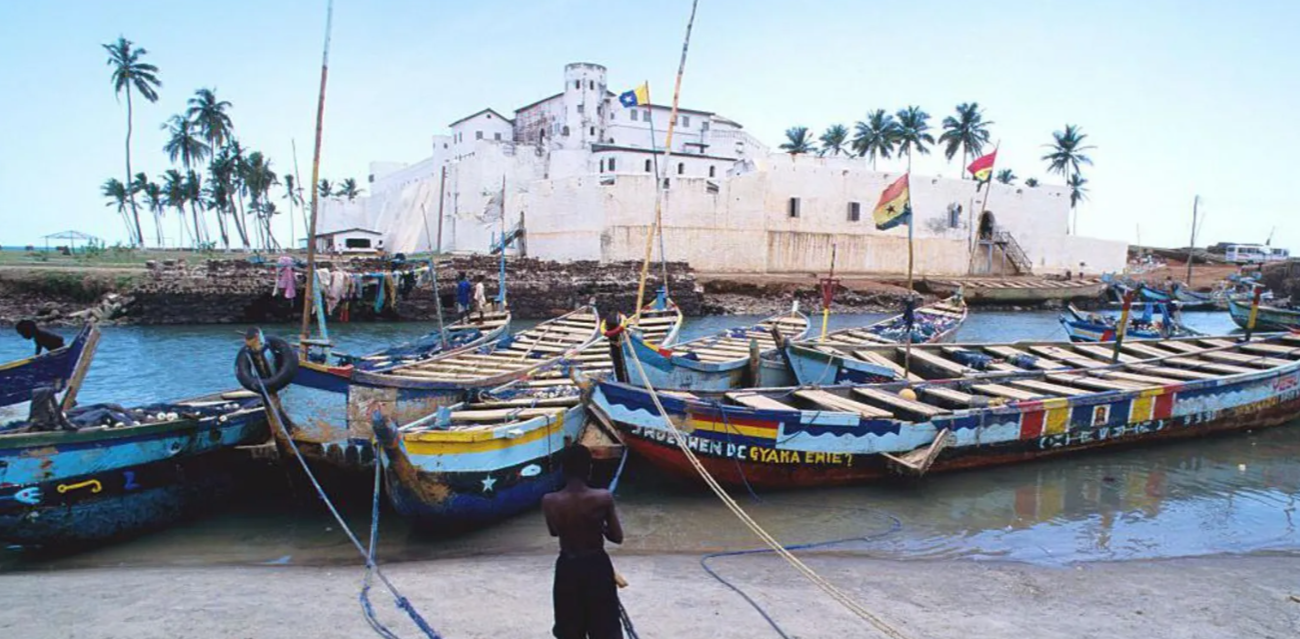
Ghana, which served as one of the primary departure points for enslaved Africans, has emerged as the leading voice in the reparations fight. Along its coastline, the haunting remnants of slave forts — where countless men, women and children were held in inhuman conditions before their forced voyage — stand as silent witnesses to history.
• More Than Money
The resolution casts a wider net than financial compensation alone. It also demands the repatriation of cultural artefacts looted during colonial rule — treasures that advocates say represent not merely artistic heritage but spiritual significance.”We want a return of all those looted artefacts, which represent our heritage, our culture and our spiritual significance,” Ablakwa said.
“All those artefacts looted for many centuries into the colonial era ought to be returned.”Ghana’s President John Dramani Mahama hailed the resolution as “historic” and described it as “a safeguard against forgetting” during his address to the UN on Tuesday.
• The Contrast
Mahama used his platform to take aim at shifting attitudes in the United States, criticising the Trump administration for what he called “normalising the erasure of black history.”Since returning to office, the US president has moved aggressively against cultural institutions accused of promoting his administrative terms “anti-American ideology.”
These efforts have included the restoration of Confederate monuments and attempts to dismantle a slavery exhibit in Philadelphia.”These policies are becoming a template for other governments as well as some private institutions,” Mahama warned.
As the General Assembly prepares to cast its votes, the resolution’s backers — including the African Union and the Caribbean Community — say the outcome represents far more than diplomatic procedure.
For them, it is a crucial step on the long road toward healing and justice.The coming hours will reveal whether the international community is ready to take that step.


