

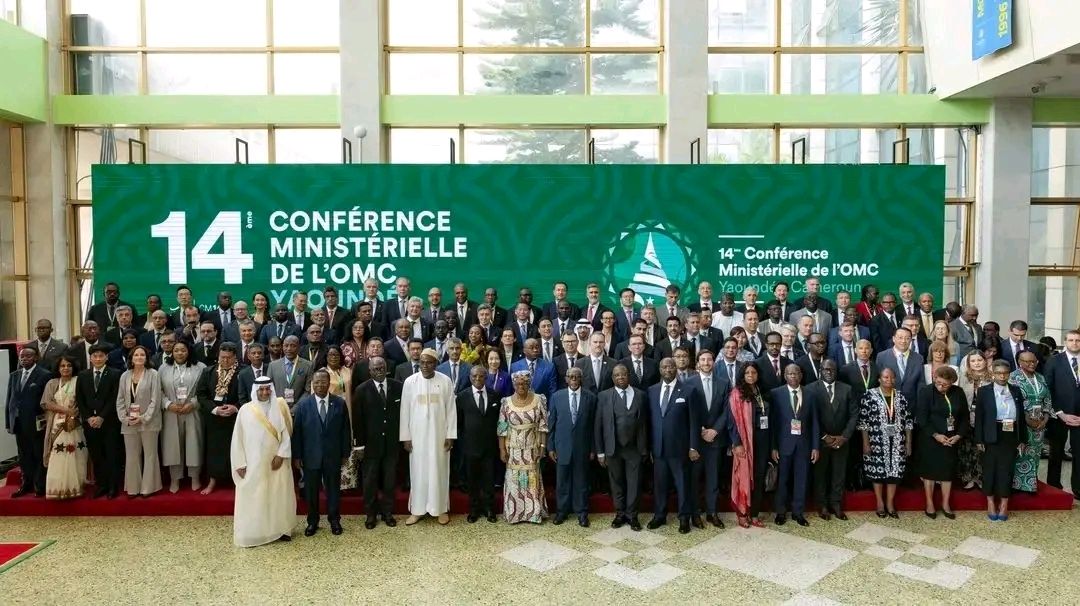
 YAOUNDÉ — Global delegates are meeting in Cameroon’s capital for the 14th World Trade Organization Ministerial Conference, focusing on urgent reforms to stabilize and reshape the multilateral trading system amid rising geopolitical and economic tensions.
Over four days of intense deliberations and inter-ministerial exchanges, policymakers are grappling with how to recalibrate global trade rules amid mounting geopolitical tensions and economic headwinds.
The Director-General of WTO Ngozi Okonjo-Iweala delivered a message: the global system as it once existed has been fundamentally altered and cannot simply be restored. In her address, she urged member states to take a pragmatic approach—retain what has proven effective, fix systemic flaws, and confront new challenges shaping modern trade dynamics.
Her remark highlights the growing consensus that the turbulence rocking global markets—from escalating tensions in the Middle East involving the United States, Iran, and Israel, to a deepening energy crisis—has exposed cracks in the existing framework.
Compounding the strain are internal divisions within the WTO and rising protectionist measures, particularly tariff hikes from major economies.
Behind closed doors and in plenary halls, more than 4,000 participants are engaging in tough negotiations aimed at breathing new life into the organization. Central to the discussions is the urgent need to restore a credible dispute settlement mechanism, reinforce development priorities, and accelerate progress on digital trade—key pillars seen as essential to the WTO’s future relevance.
Analysts note that the current upheaval is the most severe disruption to global trade in nearly eight decades, echoing the Director-General’s warning that these shocks are symptoms of a broader breakdown in the international system established after the Second World War. The once-stable architecture of multilateral cooperation, delegates admit, is now facing a critical stress test.
Beyond external pressures, structural challenges within the WTO itself have come into sharp focus. Critics point to inconsistent adherence to trade rules, with unilateral sanctions and policy decisions by powerful nations increasingly shaping global commerce.
The dominance of the US dollar and domestic economic policies in Washington continue to send ripples across international markets, often sidelining agreed multilateral norms.
At the same time, the rise and fragmentation of economic blocs such as the G7, G20, and BRICS signal a shifting balance of power, further complicating efforts to maintain a unified global trading system.
Yet, amid the uncertainty, there are glimmers of optimism. The WTO continues to attract interest, with over 20 countries seeking accession—an indication that, despite its challenges, the institution remains a cornerstone of global economic governance.
In a significant step forward, delegates in Yaoundé have endorsed a reform blueprint calling for sweeping changes across the organization’s core functions. The proposed roadmap emphasizes restoring trust, enhancing effectiveness, and providing clear political direction for the WTO beyond this ministerial meeting.
As negotiations continue, the question hanging in the air is profound: can the world’s trade ministers mend a fractured system and adapt it to the realities of the 21st century?

