


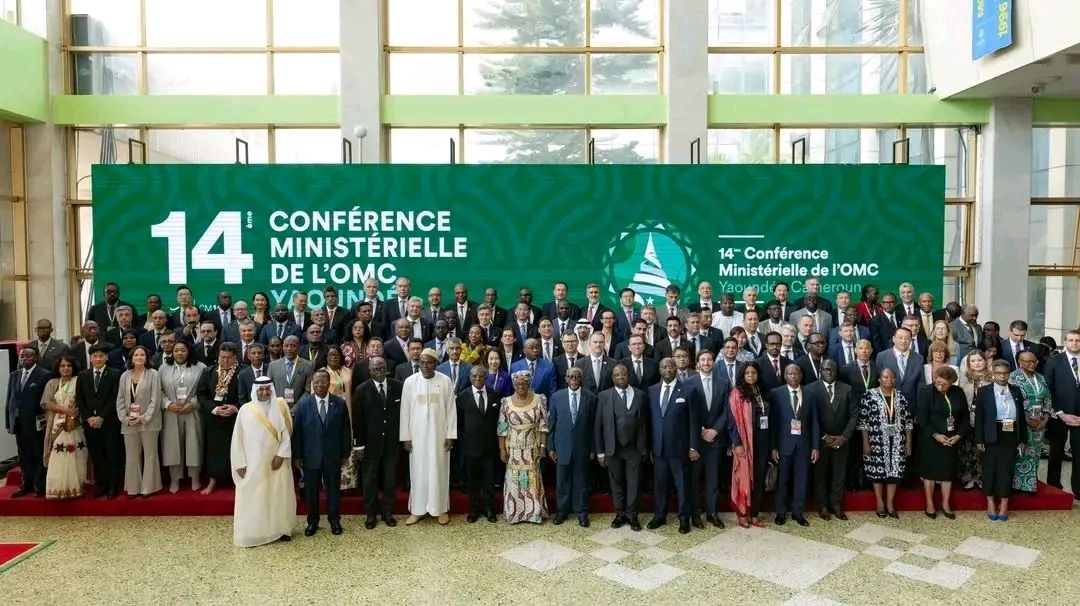
 Negotiations at the World Trade Organization summit in Yaoundé wrapped up early Monday , as member states failed to find common ground on major reforms, agriculture, and digital trade rules.
Four days of high-stakes deliberations stretched beyond schedule, with repeated delays to the closing session as delegates raced against time to strike even a modest deal. Despite overnight bargaining that briefly raised hopes for a compromise, last-minute disagreements delayed progress.
An important point was the renewal of the long-standing moratorium on customs duties for electronic transmissions. Talks collapsed after Brazil blocked consensus, citing frustration over stalled agriculture negotiations—an issue that has long divided developed and developing nations.
The failure to extend the digital trade waiver deals a setback to advanced economies, particularly the United States, which had pushed for a permanent arrangement. Meanwhile, countries like India remain wary, arguing such measures could erode vital tax revenues.
Director-General Ngozi Okonjo-Iweala acknowledged the intense efforts but admitted consensus proved elusive.
The talks unfolded against a backdrop of global economic uncertainty and rising trade tensions, there by highlighting the fragile state of multilateral trade cooperation. With the WTO’s consensus-based system increasingly under strain.
Although the moratorium has now lapsed, it does not automatically trigger new tariffs, as member states retain the option to maintain duty-free digital trade individually.

