


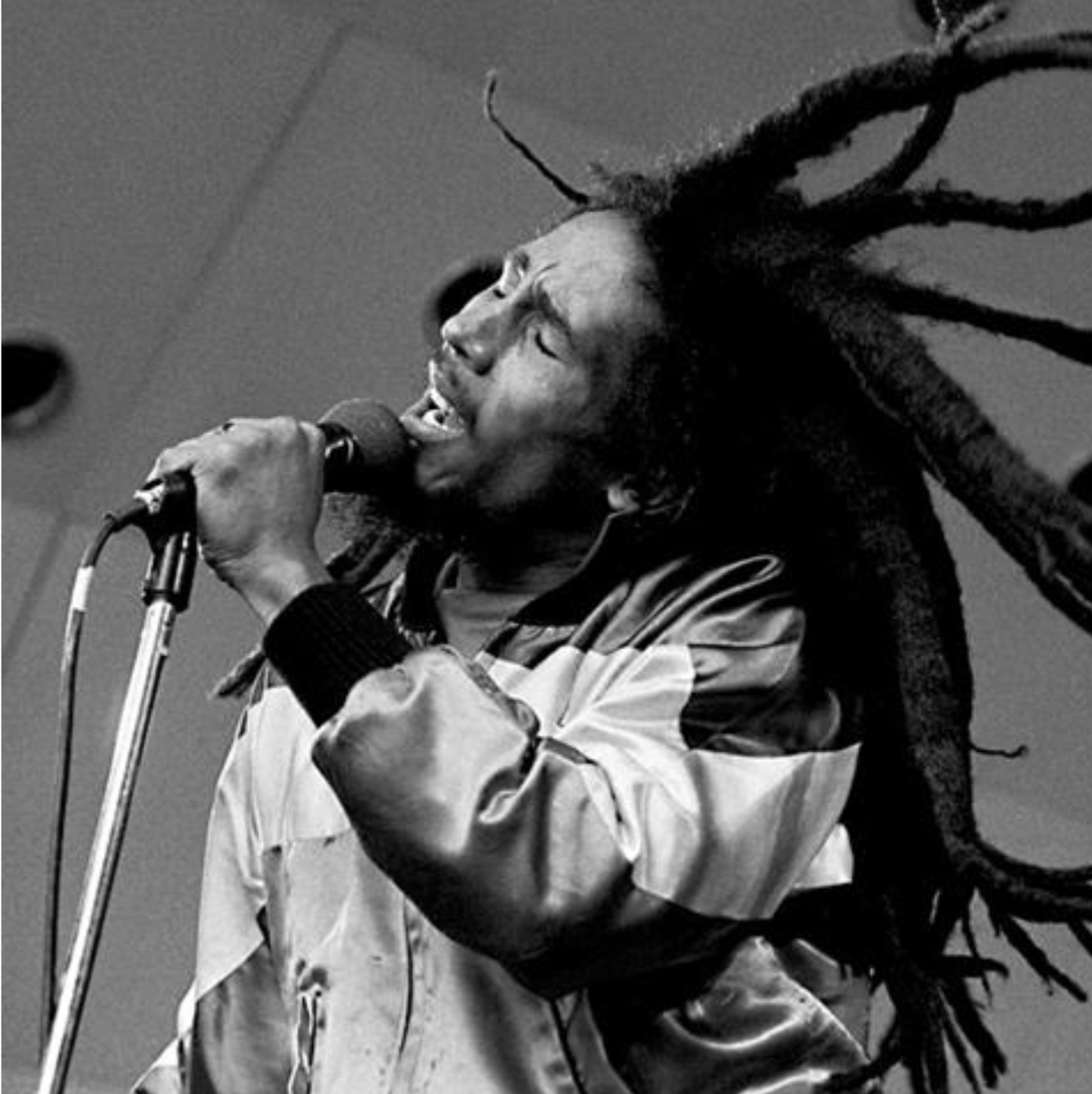
Forty-five years after the death of reggae legend Bob Marley, his music continues to inspire millions across the world. Though he died young, the Jamaican singer remains one of the most celebrated musicians in history.
Marley died on May 11, 1981, in Miami, Florida, at the age of 36 after battling skin cancer. The illness reportedly started under one of his toes before spreading to other parts of his body, including his lungs and brain. Doctors advised him to amputate the toe, but he refused because of his religious beliefs and concerns about his career as a performer.
Born Robert Nesta Marley in Nine Mile, Jamaica, in 1945, he rose from humble beginnings to become the global face of reggae music. His journey in music started in the early 1960s with the group The Wailers, which later gained international recognition.
Marley’s breakthrough came after signing with Island Records in the 1970s. Albums such as Exodus, Kaya and Uprising turned him into a worldwide superstar. Songs like One Love, No Woman, No Cry, Buffalo Soldier and I Shot the Sheriff are still played decades later.
Beyond music, Marley used his voice to speak against poverty, injustice and oppression. His lyrics carried messages of unity, freedom and hope, especially for African people and the poor. He mixed reggae with spiritual teachings from Rastafarianism, Christianity and African traditions, creating music that connected deeply with people around the world.
Even after his death, Marley’s influence has continued to grow. He remains a symbol of Jamaican culture, African pride and resistance. His image, music and message are recognized far beyond the Caribbean.
Marley was also known for his large family. He had several children, including some he adopted, and many of them later followed his path into music.
Every year on February 6, Jamaica and reggae fans across the globe celebrate Bob Marley Day in honor of his life and legacy. Concerts, cultural events and tributes are organized to remember a man whose music crossed borders and generations.
Nearly five decades after his passing, Bob Marley’s message remains alive. For many fans, he was more than a singer — he was a voice for peace, struggle and human unity.

