


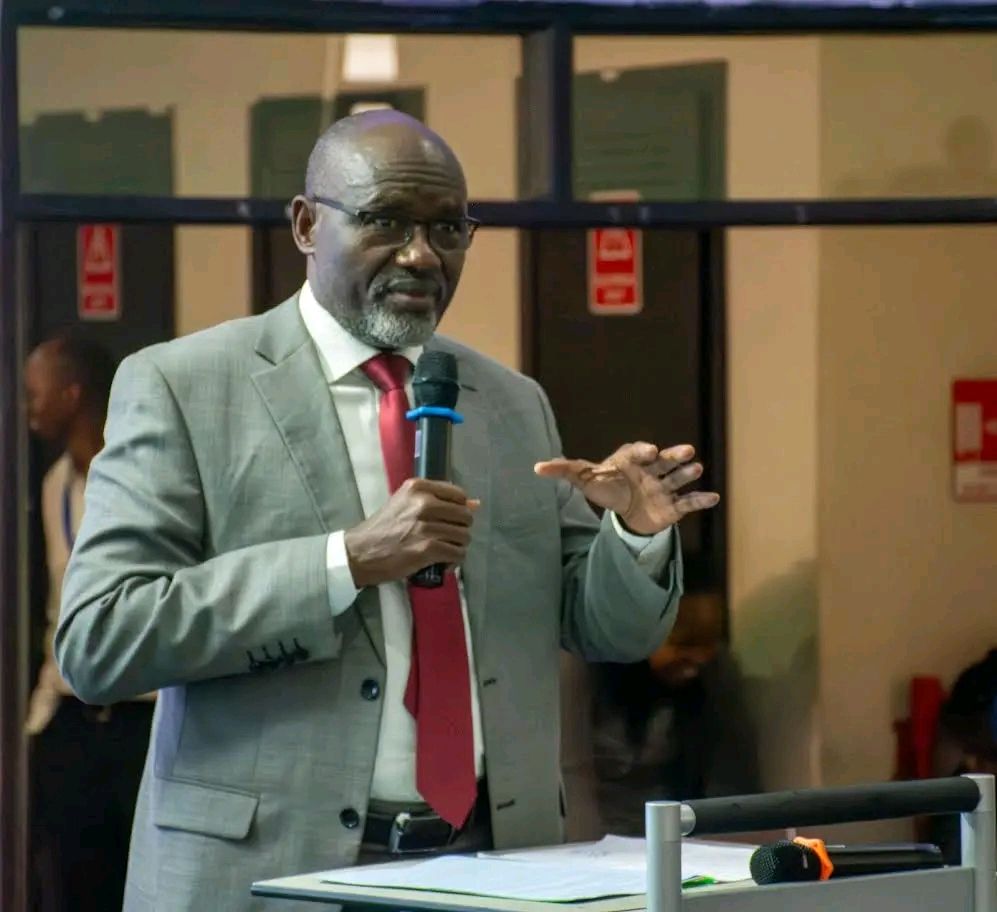
 Kenya pledged for better AI rules, better digital infrastructure, and more training at the Connecting Codes Conference held at KNLS in Nairobi.
Government leaders, researchers, academics, and international partners met to discuss how technology can serve people and protect culture.
The conference encouraged investments in networks and data systems, clearer laws for responsible AI, and more programs to build digital skills.
Speakers pushed for inclusive policies that reach marginalized groups and for closer ties between local institutions and global partners.
Panels at the Kenya National Library Service looked at AI, digital humanities, and ways to use tech to widen access to information while keeping cultural heritage safe.
Delegates noted Kenya’s rise as a digital hub but warned that gaps in infrastructure, governance, and skills must be closed so benefits reach everyone.
Representing the Cabinet Secretary, Principal Secretary Ummi Bashir said the government will back inclusive digital change that protects culture and widens opportunity.
Parliamentary committee chair Daniel Epuyo Nanok called on lawmakers to update policies fast, protect citizens’ rights, and ensure transparency, privacy, and fairness.
Nanok also stressed putting African languages, histories, and knowledge into digital platforms so local voices are not left out.
Speakers discussed fighting misinformation, reducing algorithm bias, and boosting digital and data literacy across Africa.
The event drew researchers and officials from Kenyan institutions, international partners, and universities, including the Technical University of Kenya and the University of Kansas.
KNLS hosted the conference as part of its work to preserve documentary heritage and advance Kenya’s knowledge economy.

