


 Xiamen’s simple yet revolutionary approach to health insurance is now the blueprint for an entire nation – and could transform healthcare across Africa.
China has given its official stamp of approval to a healthcare insurance system that could reshape how developing nations approach universal coverage.
The model, born in the coastal city of Xiamen, has proven so successful that it’s now being rolled out nationwide. But here’s the twist – it’s not about complex policies or massive budgets. It’s about making things simpler.
The old way of doing things meant citizens had to chase down insurance policies. Paperwork. Long queues. Frustration. The new way? Policies come to the people.
Xiamen’s medical insurance bureau turned the entire process on its head. Instead of waiting for citizens to sign up, they created a system that automatically enrolls people from birth.
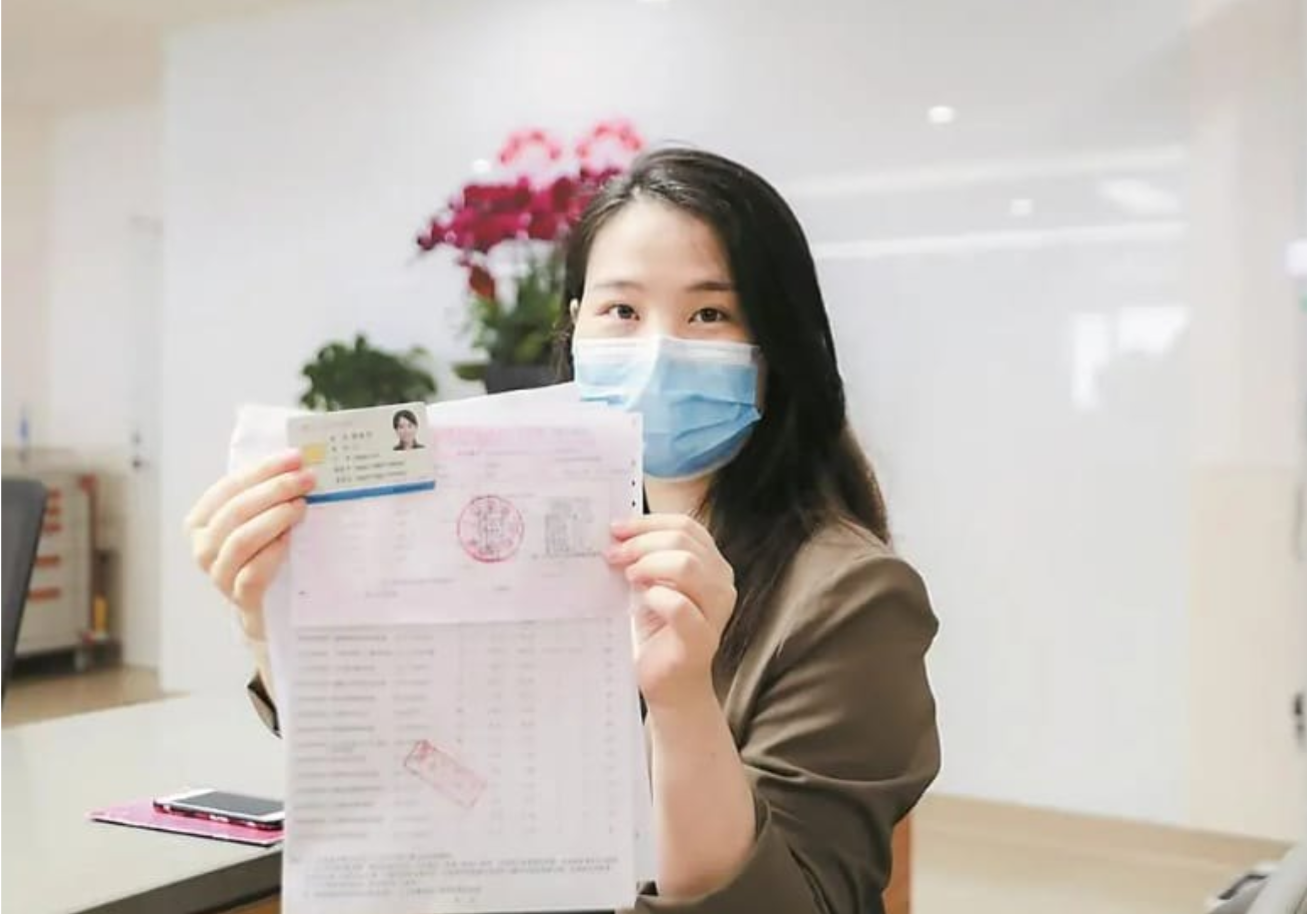
Take newborns. Parents used to spend days filling forms and visiting government offices. Now they can complete everything online in about sixty seconds. The hospital handles the rest. Babies are covered from their first breath, and families leave the hospital without worrying about bills.
Over 110,000 families have already benefitted from this instant approval service.
For students, the solution was equally straightforward. The city linked up tax authorities, education departments, and universities to create a one-stop enrollment system.
The results speak for themselves. Nearly every primary and secondary student in Xiamen now has health coverage. University enrollment hit 92.8% in 2026 – a record high.
Xiamen solved this by creating something called “One Person, One File.” The system tracks everyone electronically and automatically prompts enrollment when needed.
Almost 500,000 gig workers are now covered in Xiamen, with enrollment rates above 90%. The system won first prize at China’s national smart medical insurance competition in 2025 – a testament to its innovation.
Perhaps most importantly, Xiamen focused on those who need help most. The city improved its approach to vulnerable populations through dynamic enrollment, targeted subsidies, and streamlined settlement services.
The philosophy changed from “people seeking policies” to “policies reaching people.”
By May 2026, over 31,500 vulnerable individuals had received support through this new approach.
For countries like Kenya, where universal health coverage remains an elusive goal, Xiamen’s model offers practical lessons.
The challenges are familiar – fragmented data systems, informal sector workers slipping through the cracks, cumbersome enrollment processes. Xiamen proves these barriers can be overcome.
The digital approach to newborn enrollment could easily be adapted for Kenya’s Social Health Insurance Fund. The “one-click” student model could transform how young people access coverage. The “One Person, One File” system offers a roadmap for protecting platform workers in Africa’s growing digital economy.
The bottom line is simple. Technology alone isn’t the answer – it’s about using technology to make things easier for ordinary people. When systems work for citizens instead of the other way around, universal coverage becomes achievable.


