


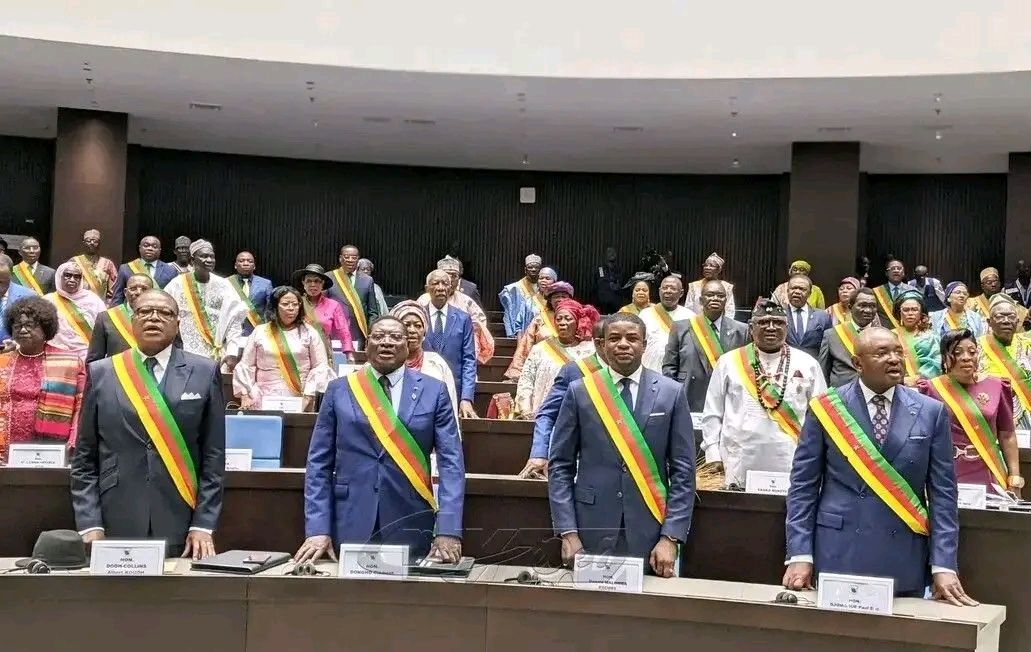
 A new constitutional amendment bill in Cameroon has generated a debate across the political spectrum. Though brief in length, the proposal signals a major shift in how power is structured and transferred at the highest level of the state.
The draft law introduces an institutional change that is the creation of a Vice President’s office. Under the proposed framework, Paul Biya would have full authority to appoint and dismiss the Vice President at his discretion. The role would operate strictly under delegated powers, meaning its duties would depend entirely on what the President assigns.
In practical terms, the Vice President would not emerge from the ballot box. There would be no popular vote, no campaign trail, and no independent mandate. Instead, the officeholder’s legitimacy would flow directly from the presidency, making the position firmly tied to the Head of State.
The most striking change, however, lies in the rules governing presidential succession. Until now, the Constitution stipulated that the President of the Senate would step in as interim leader in case of a vacancy, overseeing a transition period before fresh elections were held.
That long-standing provision is set to be overhauled. If adopted, the reform would allow the Vice President to immediately assume full presidential powers in the event of death, resignation, or incapacity. Rather than acting as a temporary steward, the Vice President would serve out the remainder of the term without the need for a nationwide vote.
The Senate President’s role would be reduced, stepping in only under exceptional circumstances—such as if the Vice Presidency is vacant or the appointee is unable to perform the role. In such a scenario, elections would then be organized within a window of 20 to 120 days.
Observers say the timing of the reform is no coincidence. At 92, Paul Biya remains one of Africa’s longest-serving leaders, having begun a fresh seven-year mandate in late 2025. With succession increasingly in the spotlight, the proposed changes appear to give the President a decisive hand in shaping what comes next.
In effect, the bill could pave the way for a handpicked successor to take the reins without facing the electorate mid-term. Critics argue this consolidates power at the top, while supporters may frame it as a move to ensure continuity and stability.

