


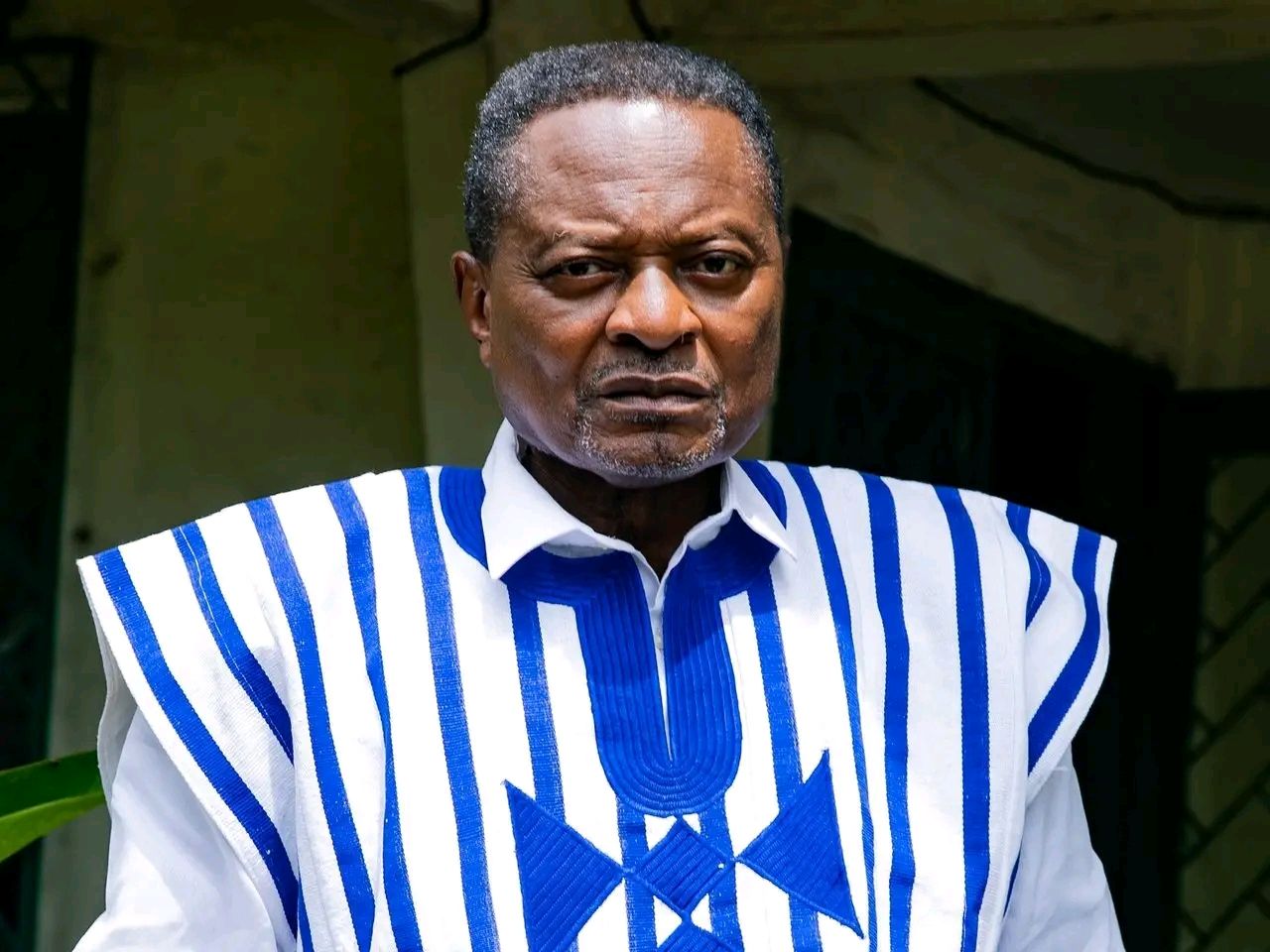
The remains of Georges Anicet Ekane, president of the African Movement for New Independence and Democracy (MANIDEM), were collected from a mortuary in Yaoundé earlier today, three months after he died while in custody at a gendarmerie medical facility. His passing at the age of 74 has continued to generate debate, with authorities attributing his death to natural causes and relatives questioning the circumstances surrounding his final days.
Government officials confirmed that the body was released to Ekane’s family days ago following sustained appeals from relatives and supporters. The Ministry of Defence has maintained that the veteran opposition figure died of natural causes. However, members of his family dispute that account, alleging that he was deliberately deprived of prompt medical attention while in detention — a claim authorities have not publicly addressed beyond their initial statement.
Ekane was arrested on October 24, 2025, in Douala, shortly after the announcement of the presidential election results that returned 92-year-old President Paul Biya to office. Prosecutors accused him of organizing protests to challenge the outcome of the vote. He was subsequently transferred to the Secretariat of State for Defence (SED) in Yaoundé, where he remained in custody until his death on December 1, 2025.
The late politician was widely regarded as a longstanding voice within Cameroon’s opposition landscape. Born on April 17, 1951, at Laquintinie Hospital in Douala, Ekane came from a large family and pursued his early education in Akwa before continuing his studies in several institutions in Cameroon and later in France, where he obtained his Baccalauréat D.
His political engagement dates back to the late 20th century. In 1990, he was among those arrested in the widely known “Affaire Yondo Black et autres,” a case involving activists accused of attempting to form a political party outside the country’s one-party framework at the time. That episode marked a defining moment in his public life and cemented his role in opposition politics.
As leader of MANIDEM, Ekane advocated for national sovereignty, democratic governance, and social equity. In the 2025 presidential election, he played a strategic role by supporting opposition candidate Maurice Kamto under the MANIDEM banner, a move observers say heightened tensions between him and state authorities.
Following his arrest in October, Ekane faced allegations of insurrection and rebellion. Some reports from close associates suggested that his health deteriorated while in detention and that he may not have received adequate medical care. The government, however, has stated that he died from natural causes and has not indicated any wrongdoing by prison officials.
Human rights advocates and political analysts have described Ekane’s detention and death as emblematic of the broader challenges facing opposition figures in Cameroon. Others caution that investigations and verified medical findings are essential to clarify the circumstances of his passing.

