


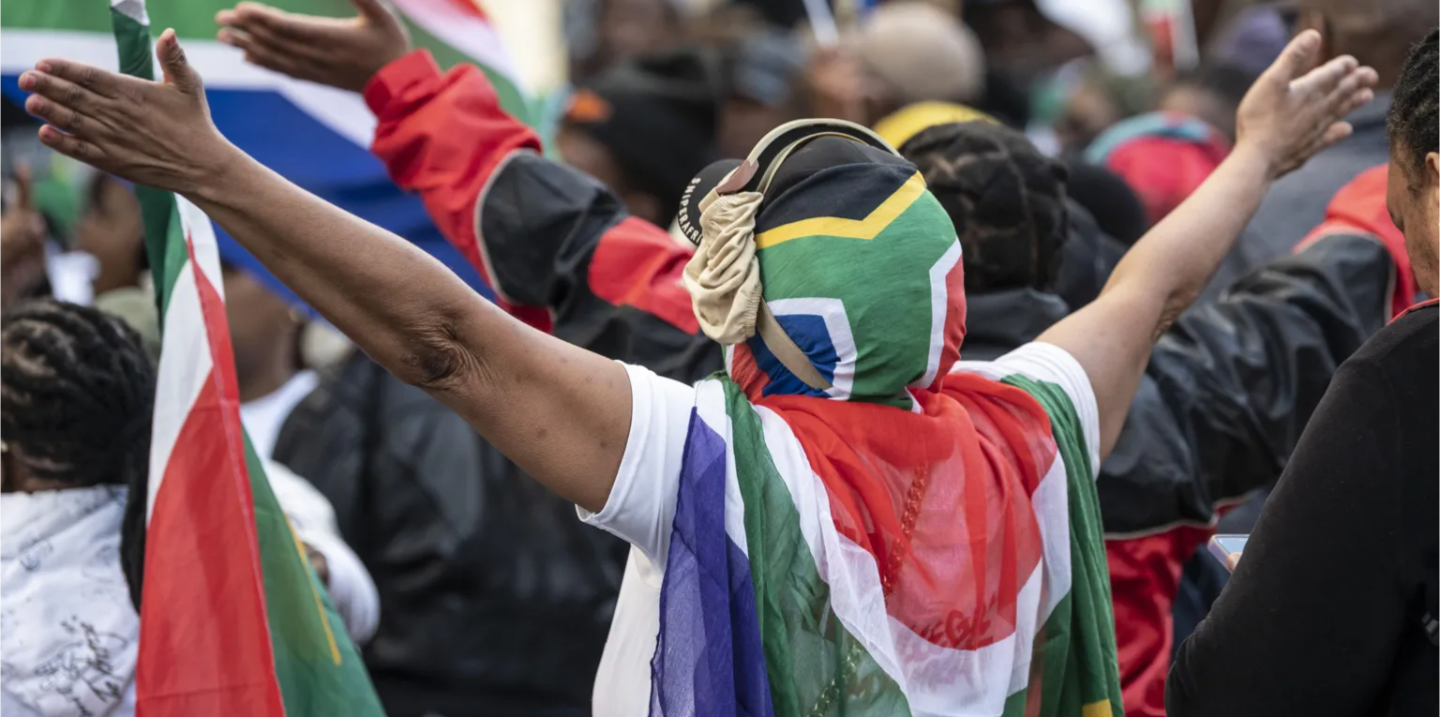
 A shopkeeper and a young man—both killed on the same day
Following the xenophobic attack
s.
On June 28, Musa Yunana Joe stood outside his small shop in Witbank, a mining town in Mpumalanga. Friends called him “Big Joe.” He had built his business from nothing, a modest venture that sustained him and sent money home to his family in Nigeria.
That evening, gunmen approached. They fired several shots. Joe fell in front of his own shop. He never made it inside. The attackers fled. No one has been arrested.
That same day, about 150 kilometers away in Pretoria, Emeka Charles Iroegbu died in police custody. Nigeria’s foreign ministry says officers from the Tshwane Metro Police Department used “gruesome interrogation techniques”. He was reportedly questioned and never walked out alive.
Their killings have ignited a diplomatic firestorm between Africa’s two largest economies. Nigeria has issued its warning to South Africa in years, saying “all options remain on the table”. The government described a “disturbing pattern” of extra-judicial killings and growing Afrophobic violence.
But behind the political rhetoric are real people making impossible choices.
Since the violence escalated, more than 850 Nigerians have been evacuated from South Africa across four separate flights. Some 700 have returned home overall. More flights are planned for those still registered to leave.
One Nigerian trader who had lived in South Africa for nearly a decade abandoned both his business and his home because he feared for his safety. Chikweze Igwe, another returnee, said hostility from South Africans made his 13-year stay difficult.
“Protesters have blamed undocumented migrants for unemployment, crime and pressure on public services,” the BBC reported. South Africa’s unemployment rate stands above 30 percent.
Yet the Nigerian government insists many of its citizens entered South Africa legally but became caught in prolonged visa renewal delays.
Nigeria began documenting properties left behind by returning citizens, planning to seek compensation from South Africa.
“There is no compensation that will come from government,” said Minister Khumbudzo Ntshavheni. She added that Nigerians could sell registered properties on the South African market.
Then she went further. At a media briefing, she said: “We would be interested to know where the drug dens of Nigerians are, so they can show us where they have been holding the drugs so we can clean the drugs in South Africa quite urgently”.
Nigeria’s foreign ministry called the remarks “unacceptable” and “hate speech”. The government also condemned anti-immigrant groups like Operation Dudula and March on March, accusing them of inciting violence.
This is not the first time Nigerians have died in South African police custody. In April, another Nigerian, Nnaemeka Ekpenyong, died while in the hands of the same Tshwane Metro Police unit. Despite the identities of four officers being known to South African police, no arrests have been made.
Diplomatic ties between Nigeria and South Africa are now at their lowest point in 30 years, according to analysts.
But for the families of Big Joe and Emeka Iroegbu, diplomatic ties are not the priority. They are mourning. They are asking why. And they are waiting for justice that has not come.
“The life of every Nigerian is priceless,” one activist said. “The blood of our citizens must never become cheaper than diplomatic courtesies”.
Nigeria has demanded immediate investigations into both killings. South African authorities say they are investigating. But for two families, June 28 will forever be the day their world ended—one outside a shop, one inside a police station.