

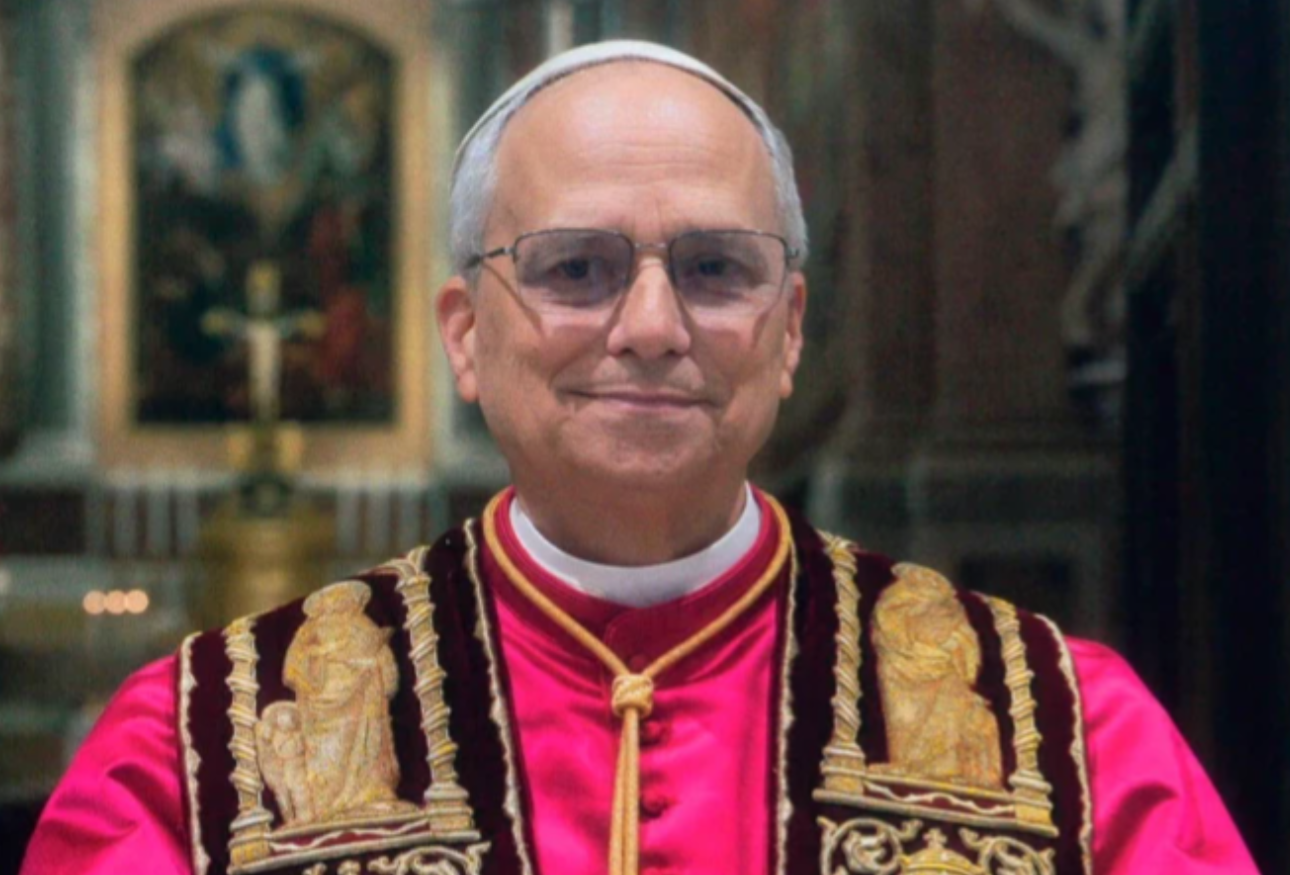
 Pope Leo XIV Will Visit Cameroon in April 2026
• Pope Leo XIV will visit Cameroon from April 15–18, 2026, as part of a 10-day African tour to strengthen faith, peace, and Vatican relations
• During the visit, he will travel to Yaoundé, Douala, and Bamenda to meet government officials, church leaders, and Christian faithful
• The trip in Cameroon is part of a wider journey including Algeria, Angola, and Equatorial Guinea
The head of the Catholic Church, Pope Leo XIV, is scheduled to travel to Cameroon in April 2026 as part of a wider pastoral journey across Africa. The visit is expected to reinforce spiritual life, encourage peace, and strengthen relations between Cameroon and the Vatican.
According to the official programme released by the Holy See, the Pope will undertake a ten-day African tour from April 13 to April 23, 2026. The journey will include visits to Algeria, Cameroon, Angola, and Equatorial Guinea.
The pontiff is expected to stay in Cameroon from April 15 to April 18. During this period, he will travel to the cities of Yaoundé, Douala, and Bamenda, where he will meet government representatives, church leaders, and Christian communities.
Part of the programme includes a visit to Cameroon’s English-speaking region, an area that has experienced conflict for several years. The trip is expected to highlight the need for dialogue and reconciliation.
The African journey follows an earlier overseas visit by the Pope to Turkey and Lebanon in 2025, which marked his first international trip since becoming pope.
Before travelling to Africa, Pope Leo XIV will make a short visit to Monaco in March. Later in the year, he is also expected to travel to Spain, where activities will include events in major cities and religious sites.
The Pope, formerly known as Robert Prevost, became the first American-born leader of the Catholic Church. After spending much of 2025 attending events linked to the Holy Year in Rome, he is now resuming international travel to meet Catholic communities around the world.
The African visit will include both Muslim-majority and Christian-majority countries, reflecting the Vatican’s commitment to interfaith dialogue and support for developing nations.

