


Burkina Faso has taken an important step toward developing nuclear energy after its Transitional Legislative Assembly unanimously approved joining the Vienna Convention on Civil Liability for Nuclear Damage. This decision puts in place clear rules on responsibility and compensation in case of nuclear accidents, which is a major requirement for any country planning to use nuclear power for civilian purposes.
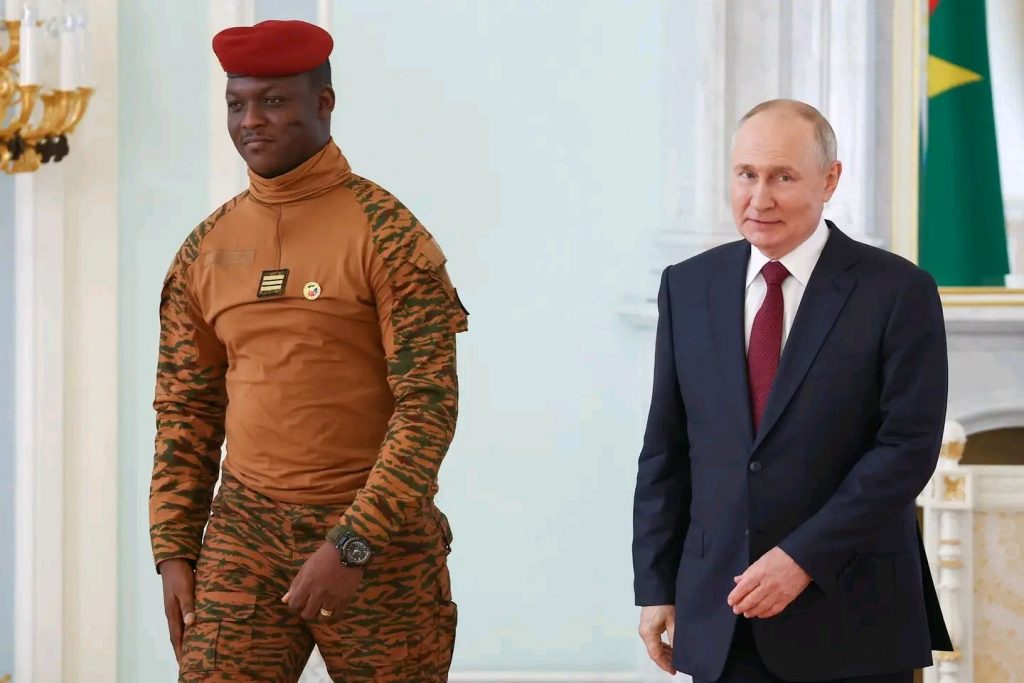
The approval comes at a time when Burkina Faso is building stronger cooperation with Russia in the nuclear sector. In June last year, authorities in Ouagadougou signed an agreement with Moscow focused on the peaceful use of nuclear energy. That deal opened discussions on future reactor projects and technical support.
Government officials believe nuclear power could help ease the country’s long-standing electricity challenges. Burkina Faso continues to struggle with power shortages, and leaders see nuclear energy as a long-term option to increase supply and improve energy stability.
Russia’s state nuclear company, Rosatom, has been increasing its activities across Africa, reaching agreements with several countries interested in nuclear technology. Burkina Faso’s latest move places it among African nations exploring nuclear power as a solution to growing energy needs.
By formalizing the nuclear liability convention, Burkina Faso has also reinforced its legal and institutional readiness for deeper nuclear cooperation with Russia.
Analysts say this signals a strategic shift as the country looks to diversify its energy sources and strengthen national capacity.
However, the development has drawn attention beyond Africa. Some international observers may raise concerns about security, safety, and nuclear non-proliferation, especially given wider global tensions involving nuclear issues. Institutions such as the United Nations and Western allies are expected to closely monitor the situation.


