


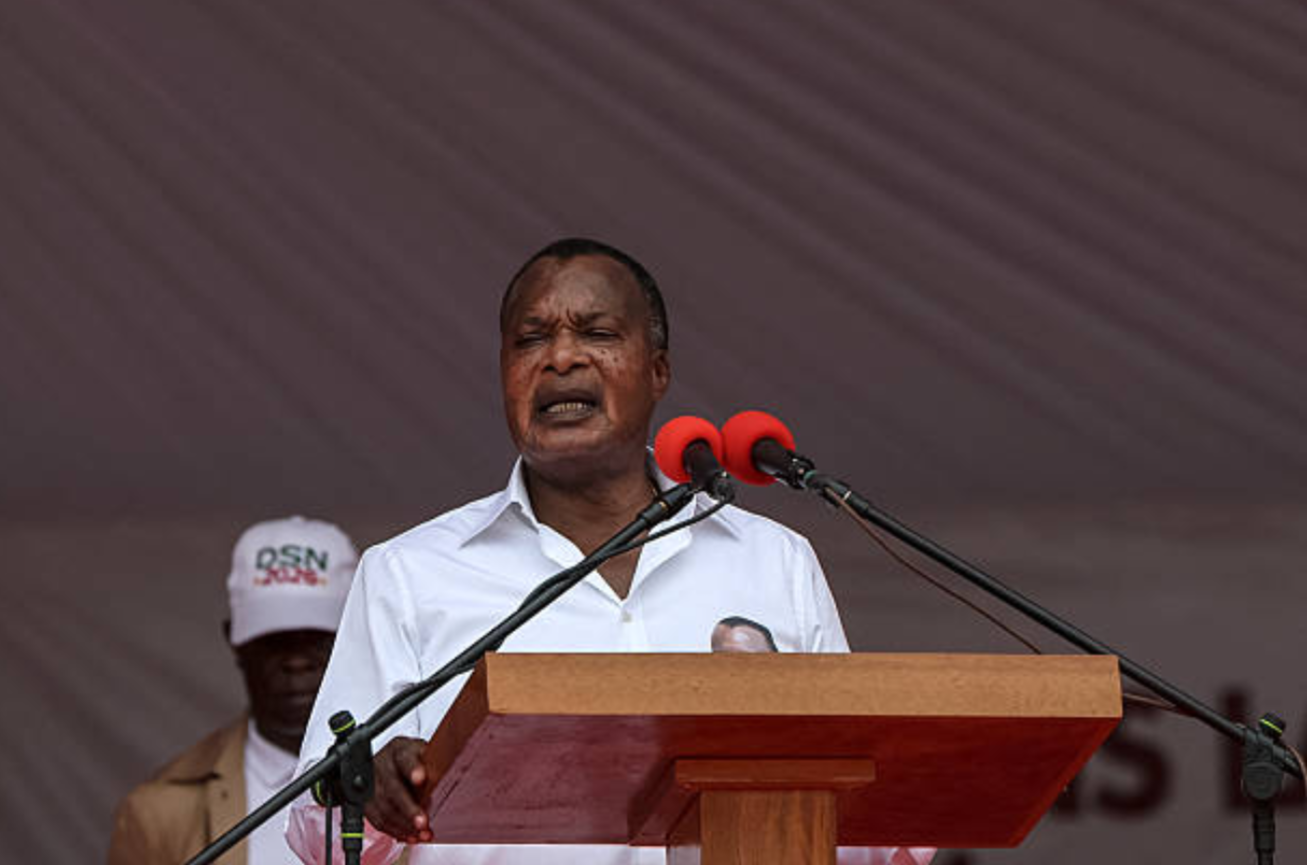
 Polling stations across the Republic of the Congo have closed after citizens cast their ballots in a presidential election widely expected to grant incumbent leader Denis Sassou Nguesso another term in office, potentially prolonging his long-standing term of office .
At 82 years old, Sassou Nguesso contested the election against a relatively weak group of opposition candidates. The race unfolded in an environment where two opposition figures—Jean‑Marie Michel Mokoko and Andre Okombi Salissa—remain imprisoned, while several opposition parties chose to boycott the vote entirely. As a result, analysts widely predicted the incumbent would secure yet another five-year mandate.
Although six candidates officially competed against him, the fragmented and largely absent opposition significantly reduced competition. Observers therefore suggested that voter turnout might drop to one of the lowest levels in the country’s electoral history, reflecting the widely held belief that the outcome was already decided.
During the campaign period, which ended on Friday, the president traveled throughout the country promoting his platform with the support of the ruling Congolese Workers’ Party. He encouraged citizens to participate in the vote and promised to continue implementing development initiatives if re-elected.
However, signs of voter apathy were visible early in the day. For instance, at a polling station in the Ouenze district of the capital, Brazzaville, only a small number of ballots had been cast by mid-morning. In addition, some polling centers reportedly opened late because election materials had not arrived on time.
Meanwhile, several voters appeared reluctant to speak publicly or be filmed. Nonetheless, one elderly woman expressed confidence that Sassou Nguesso would emerge victorious, describing her vote as support for stability and peace.
After casting his ballot, the president said he believed the optimism shown by supporters during the campaign would translate into victory. He also pledged that the development programs presented during the campaign would be carried out if voters renewed his mandate.
Despite highlighting achievements such as infrastructure development and efforts to strengthen the gas and agricultural sectors, the government continues to face criticism. Human rights organizations frequently accuse authorities of targeting opposition activists, while corruption allegations have also surfaced in various international investigations, including cases examined in France.
Economically, the country remains heavily dependent on oil and gas revenues, which account for the majority of government income. Although growth is projected to reach about 2.9 percent in 2025, more than half of the population still lives in poverty. Critics argue that significant portions of state oil revenue have been diverted by senior officials rather than benefiting the broader population.

