


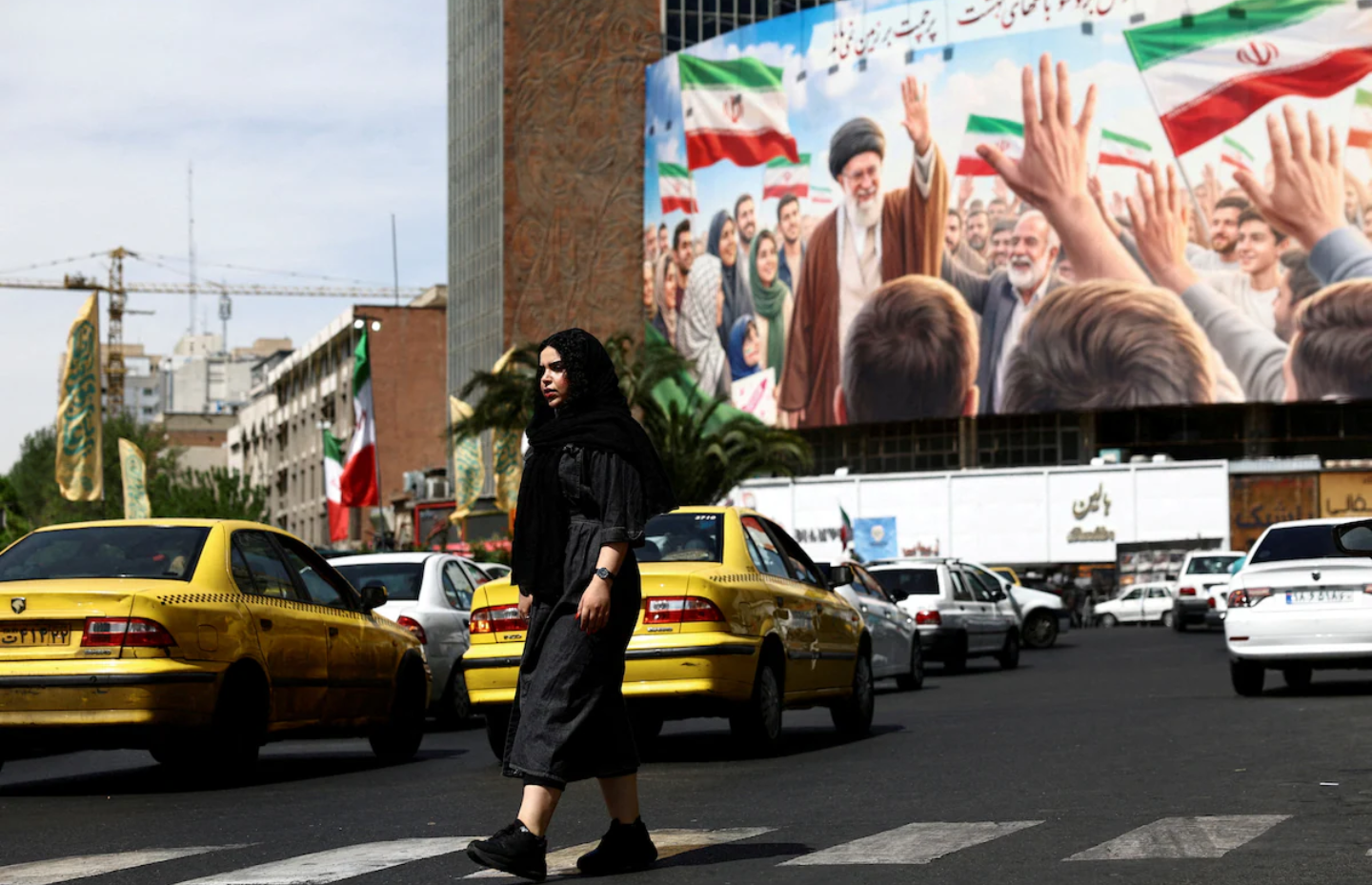
U.S. intelligence agencies have intensified analysis on how Iran could react if Donald Trump unilaterally declares victory in a conflict that has dragged on for two months and claimed thousands of lives.
According to officials familiar with the matter, the intelligence review was commissioned by senior figures within the administration seeking clarity on the strategic and political consequences of a possible U.S. pullback. The move comes amid growing concern among advisers that the war is becoming a liability for the White House, with fears it could trigger Republican losses in upcoming midterm elections.
While no final decision has been taken, insiders say the president retains the option to either scale down or intensify military operations. However, a rapid de-escalation, though politically expedient, risks emboldening Tehran. Analysts warn Iran could interpret such a move as a victory, potentially accelerating efforts to rebuild its nuclear and missile capabilities and posing renewed threats to U.S. allies across the region.
Early intelligence assessments conducted after initial airstrikes in February indicated that any abrupt U.S. withdrawal following a declaration of success would likely be perceived by Iran’s leadership as a strategic win. The timeline for completing the current analysis remains unclear, and officials have declined to publicly comment on the findings.
The Office of the Director of National Intelligence has remained tight-lipped on the issue. Meanwhile, White House spokesperson Anna Kelly reiterated that diplomatic engagement with Iran is ongoing, stressing that Washington will not rush into any agreement that undermines national security. She maintained that the administration’s red line remains preventing Iran from acquiring nuclear weapons.
On the domestic front, the political cost of the conflict continues to mount. Recent polling data indicates widespread public dissatisfaction, with only a quarter of Americans believing the war has enhanced national security or justified its toll. As pressure builds, the administration faces a delicate balancing act between strategic caution abroad and political survival at home.